

One Continent, Two Paths: Is It Time to Rethink Singlehood in Asia?
Guest post by Berliana Hutamasari, Christina Claudia, and Karel Karsten Himawan


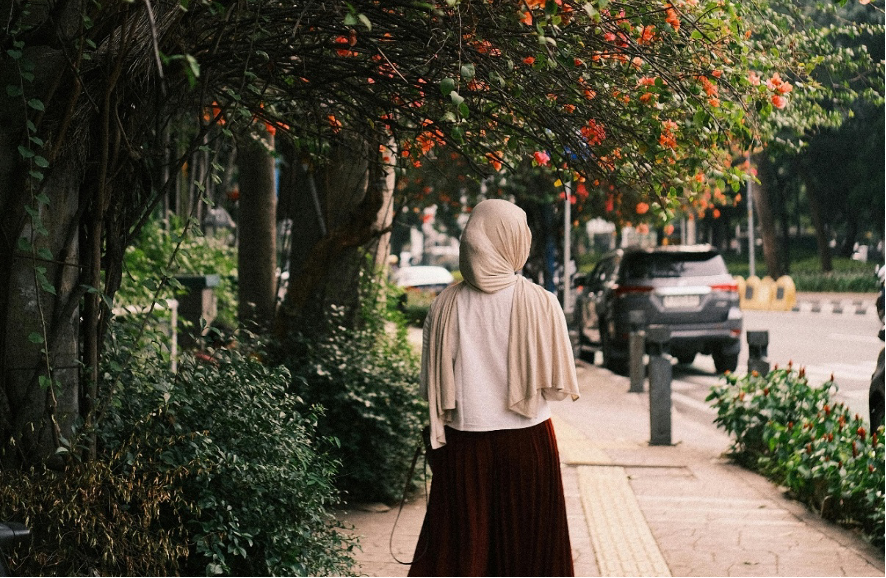
From aesthetic cafés in Seoul, to the rise of single dining in Beijing, to restaurants in Tokyo with queues for solo customers (an example of sorokatsu, a Japanese term for doing activities alone), living alone has increasingly become something to celebrate. Yet at dining tables in Jakarta or Manila, the question “when are you getting married?” still often marks the beginning of an anxious conversation. Although all these experiences are situated within the same continent, the motivations behind singlehood appear to move in different regional directions: in East Asia, many people are beginning to “withdraw” from the exhausting demands of marriage, while in Southeast Asia, many are still “negotiating” its possibility amidst difficult economic and social realities. Thus, being single in Asia today is no longer merely a matter of fate, but a signal that the institution of marriage itself is being fundamentally reconsidered.
When Marriage Stops Being the Default
Between the 1950s and 1980s, marriage in many Asian societies was not simply a personal choice, but an integral part of the expected life course, something that would happen sooner or later. Today, however, the average age of marriage across Asian countries continues to rise, while increasing numbers of individuals choose to live alone, gradually detaching singlehood from the assumption that it is merely a temporary phase before marriage. For many young people today, marriage is increasingly viewed as something that must be carefully considered, and in some cases, avoided altogether. Unsurprisingly, amid ever-rising standards for being “ready” to marry, the hashtag #marriageisscary has gone viral on Indonesian social media, where many young people openly express fears surrounding unequal marriages.
Amid these shifts, marriage can no longer be simplified as merely a romantic relationship between two individuals, but must instead be understood as a system embedded with far more complex demands. Expectations surrounding gender roles within marriage, unequal divisions of domestic labor, economic burdens, and family pressures have ultimately generated questions that go beyond whether one simply wants to marry or not; does this system still feel worth entering, given all the risks it entails? In parts of East Asia, marriage is increasingly perceived as an additional layer of domestic, caregiving, and financial responsibilities on top of already demanding work cultures. At the same time, individuals in Southeast Asia are also living amid increasingly unforgiving economic realities, ranging from rising living costs to housing prices that are becoming ever more insurmountable.
Why Are People Opting Out of Marriage?
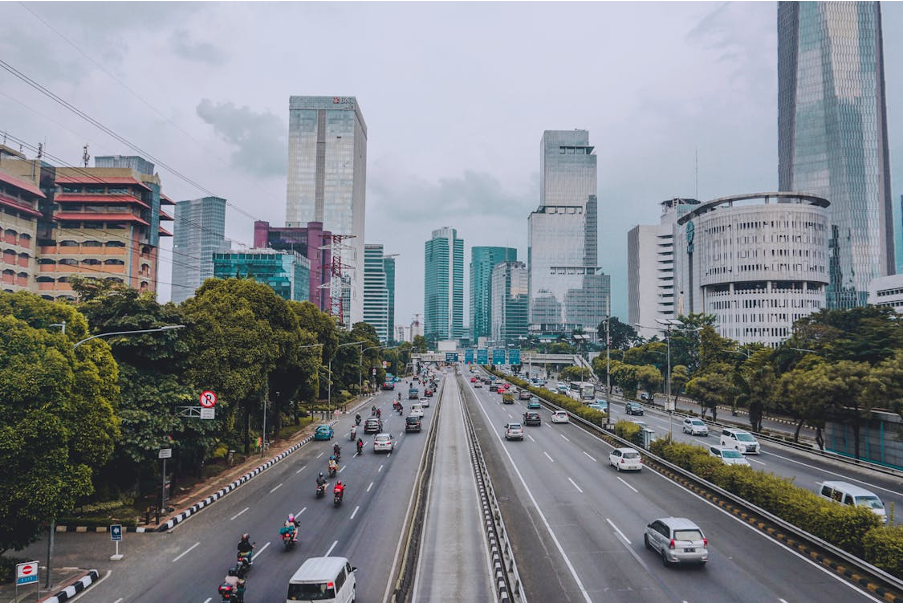
Although both East and Southeast Asia are experiencing increasing rates of singlehood, the motivations behind this trend are not always the same. In East Asia, this phenomenon may be understood as an ideological exit, a withdrawal from the institution of marriage, which is increasingly perceived as structurally burdensome. Strong pressures toward career achievement and self-development have led many young people to reconsider whether marriage is truly necessary for them. In South Korea, the term pihon yosong is used to describe women who consciously choose not to marry. Meanwhile, in Japan, the phenomenon of ohitorisama illustrates how living alone has gradually become accepted, and even enjoyed, as a legitimate lifestyle. Through this lens, singlehood is no longer viewed as a failure, but as a valid life choice. Nevertheless, behind this narrative of independence may also lie a survival strategy, an attempt to protect one’s career within highly competitive systems.
Moving to Southeast Asia, the complexity of singlehood is shaped not merely by ideological rejection, but by layered forms of social negotiation. The decision to remain single appears far more complicated when confronted with rising living costs in Singapore, expectations of filial piety within contexts such as Indonesia or Malaysia, and the challenge of finding partners whose values and religious beliefs align with their own, all of which make marriage something that must be negotiated very carefully. In many Southeast Asian contexts, marriage also involves a series of expensive cultural and familial obligations, ranging from engagement ceremonies and dowries to customary traditions that require substantial financial resources. In other words, many young people are not entirely rejecting marriage, but are instead attempting to redefine it according to the realities of their lives. Amid widening gaps between expenses and income, many find themselves trapped between the desire to marry and the reality that they may not yet be financially capable of sustaining marriage.
More Than Just Delaying Marriage
As many young people increasingly question the kinds of relationships and roles they expect within marriage, the decision to remain single has shifted from being a temporary delay to becoming an active life choice. Interestingly, much of the literature suggests that women have become key actors in transforming these perspectives, particularly because they are often the ones most affected by domestic structures within patriarchal Asian societies. In East Asia, many women are becoming increasingly career-oriented and more willing to reject traditional domestic roles historically tied to being wives or mothers. The emergence of South Korea’s 4B Movement, for instance, explicitly reflects resistance toward patriarchal social structures perceived as exploitative toward women. Meanwhile, across Southeast Asia, women’s access to education and financial independence continues to expand, leading to higher standards in choosing romantic partners and relationships. For some women, remaining single may also function as a form of caution toward marital institutions that may not guarantee fair emotional or domestic divisions of labor. As a result, marrying merely for social status or to follow rigid life timelines no longer feels relevant.
Nevertheless, these transformations are not always accompanied by changes in how society perceives single women. Across many Asian contexts, stigma surrounding singlehood remains deeply gendered. Single men are often excused through narratives of “not being ready yet” or focusing on work and financial preparation before becoming heads of households. Single women, by contrast, are more likely to be positioned as overly selective, selfish, or as having failed to fulfill certain social expectations. The many labels used to stigmatize unmarried women across Asia reflect the intense pressures they continue to face once considered beyond the ideal age for marriage, such as: shengnü in China, perawan tua in Indonesia, or matandang dalaga in the Philippines. In other words, expectations surrounding women may be changing more slowly than the institution of marriage itself. However, the consistent rise in the number of single women amid persistent social stigma suggests that the change lies not in the disappearance of social pressure, but in women’s growing ability to continue living according to their own choices.
How Society Responds?
Interestingly, although both East and Southeast Asia are witnessing rising rates of singlehood, social responses toward it are evolving differently. In several East Asian contexts, stigma surrounding singlehood appears to be gradually “cooling”. One of the clearest examples is how solo living has increasingly become normalized, especially in major cities such as Tokyo, Seoul, and Hong Kong. In China, singlehood is even celebrated collectively through Singles’ Day (Guanggunjie; 光棍节) every November 11th, a phenomenon that functions both as a cultural counterpoint to Valentine’s Day and as resistance against traditional expectations of couplehood. Similarly, the growing popularity of solo dining cultures such as honbap in South Korea has created public spaces that are explicitly more welcoming toward single individuals. It is therefore unsurprising that, in these contexts, the public increasingly seems to view singlehood as a private matter rather than everyone else’s concern.
The situation in Southeast Asia, however, differs considerably. Here, singlehood is still often treated as a collective concern, making the stigma surrounding it feel far more intense. In many contexts, marriage continues to symbolize adulthood, stability, and even family success. In certain Indonesian cultural contexts, such as Batak culture, there exists the concept of sari matua, referring to parents who pass away before all of their children are married. As such, the decision to remain single may directly conflict with collective ideals regarding family “completeness”.
The Cost of Choosing Differently
Choosing to live alone may indeed provide greater autonomy, yet it also introduces new forms of uncertainty. In East Asia, these uncertainties are felt not only at the individual level, but increasingly at broader social and demographic levels as well. In South Korea, for instance, rising rates of singlehood and declining birth rates have generated serious concerns regarding population crises. In Southeast Asia, the rise of singlehood reflects broader shifts in how people understand family and social support. Family is no longer understood solely through the traditional father-mother-child structure, but increasingly through more inclusive forms built around friendships, communities, and networks among single individuals who support one another.
Beyond demographic concerns, the consequences of rising singlehood are also deeply emotional. Many single individuals continue to experience anxieties surrounding loneliness, aging alone, and the potential lack of social support later in life. Yet fears surrounding singlehood do not always emerge simply because someone lacks a romantic partner. In many Asian contexts, being in a dating relationship but not married is often regarded as a sign that someone is not truly “settled”, given that marriage remains positioned as the ultimate milestone within romantic relationships. This offers an important distinction from many Western perspectives, which tend to define singlehood primarily as the absence of a romantic partner (unpartnered). In Asia, pressures surrounding singlehood frequently persist so long as someone remains unmarried, even when they are already in romantic relationships.
Single, but Not Less: Singlehood as a Way of Living
Across many Asian contexts, singlehood is gradually shifting from something merely tolerated into a way of life that is increasingly imaginable. Younger generations no longer place all of their hopes for happiness solely upon marital status or rigid social timelines. Instead, many are beginning to prioritize autonomy, quality of life, and personal well-being. This transformation demonstrates that singlehood in Asia cannot simply be understood as a trend of delayed marriage. Rather, experiences of singlehood are shaped by highly complex intersections of culture, economics, gender, and intergenerational relationships that vary across countries. These dynamics form the central focus of the book chapter “The Shifting Dynamics of Singlehood in Asia”, which seeks to explore how singlehood is negotiated, understood, and lived across contemporary Asian contexts. From our perspective, this shift is driven not only by rising demographic rates of singlehood, but also by how younger generations adapt to economic pressures, renegotiate social expectations, and imagine forms of life and family that differ from those of previous generations. Ultimately, although the paths may differ, many young people across both East and Southeast Asia appear to be grappling with the same question: how does one build a meaningful life beyond inherited beliefs that marriage is central to happiness?
 | A guest post by
|
 | A guest post by
|
 | A guest post by
|